
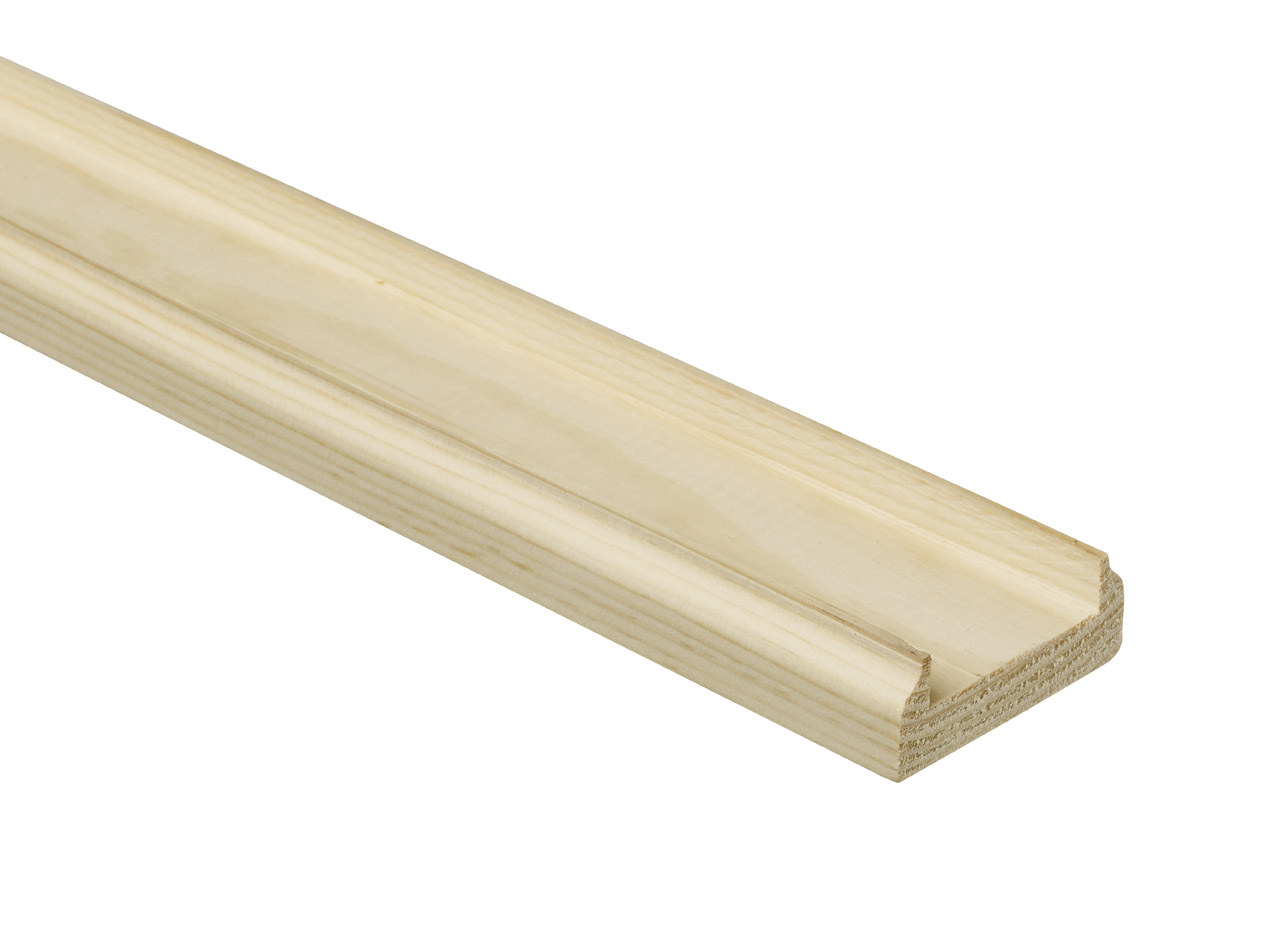
Oak HDR MK2 Handrail Ungrooved Premium Grade
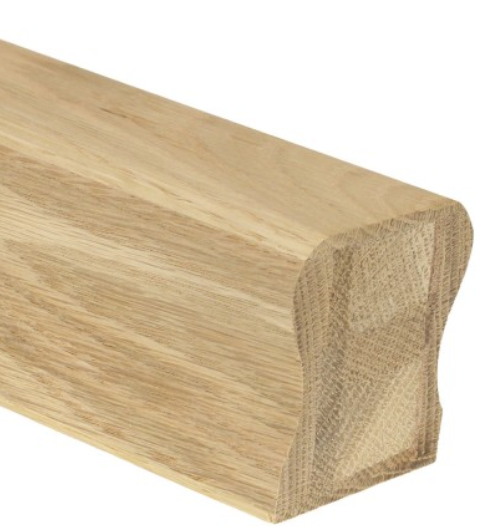
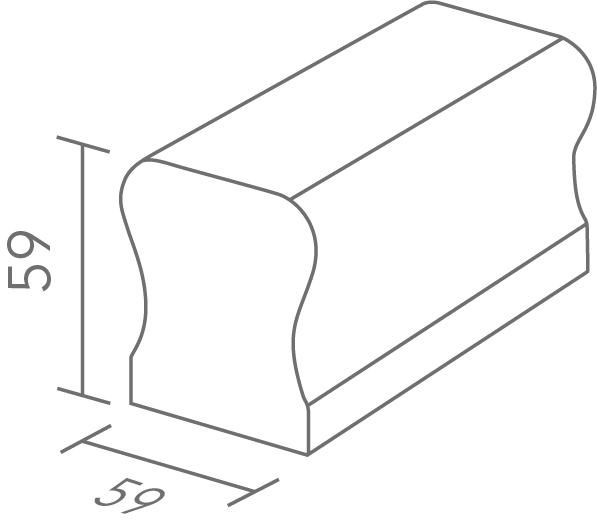
Specification
| Finish | Smooth |
| Material | Oak |
| Height | 59mm |
| Length | 4200mm |
| Depth | 59mm |
| Weight | 11.000 Kg |
| Product Type | Handrail |
| Unit of Measure | Each |
| Pack Quantity | 1 |
Premium grade white oak handrail
Not sure if this is right for your home?
Speak to a designer with our free design service which can help you plan your perfect layout and check compatibility.
Free Design ServiceProduct Description
Oak wrapped multi core with no visible finger joint
All Richard Burbidge systems are strength tested for Domestic Regulations and in some cases Commercial settings too
People Also Viewed

Six different designs available, simply screw into rails
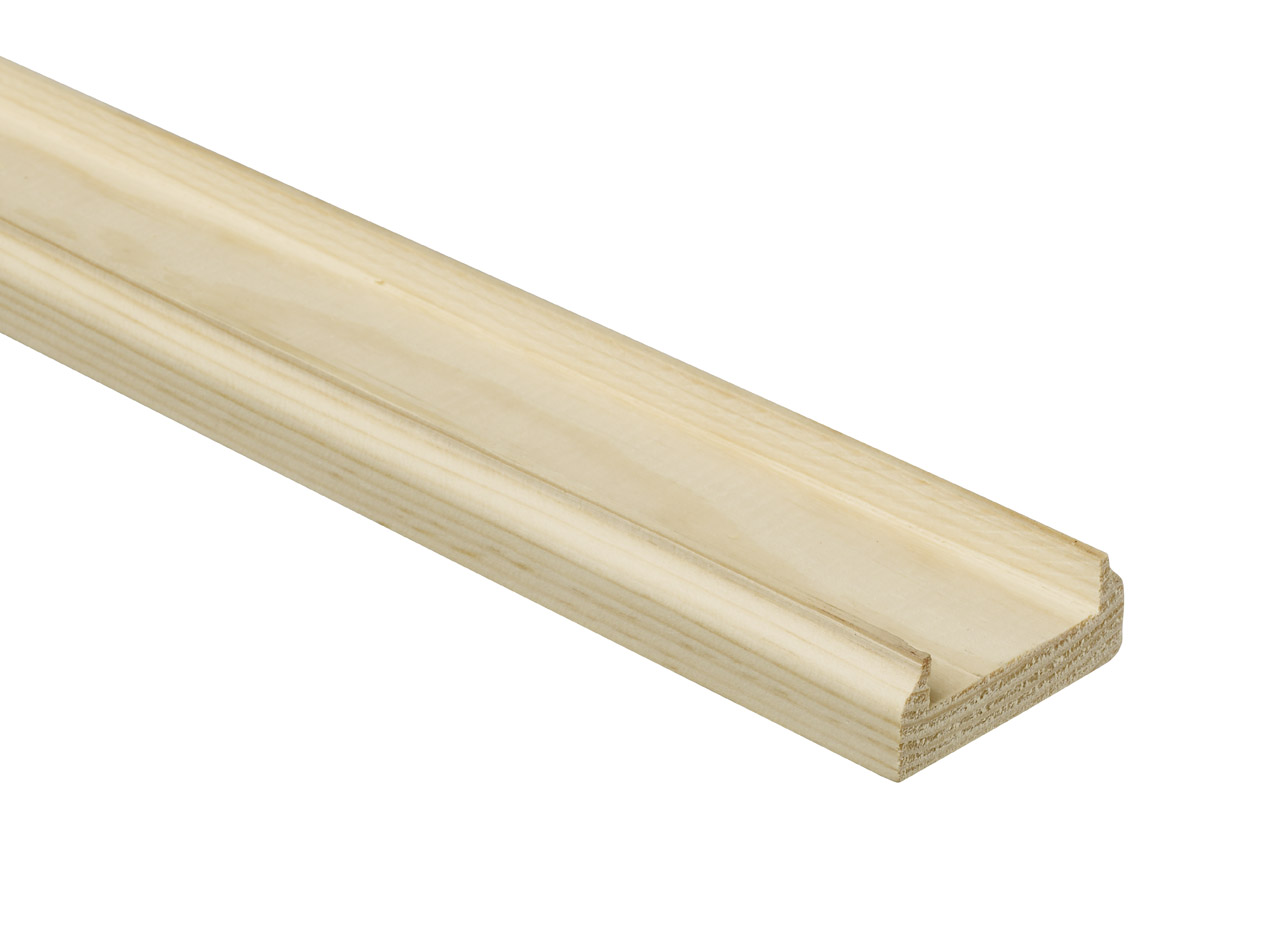
Eight spindle and baluster designs to choose from in 32mm and 41mm sizes
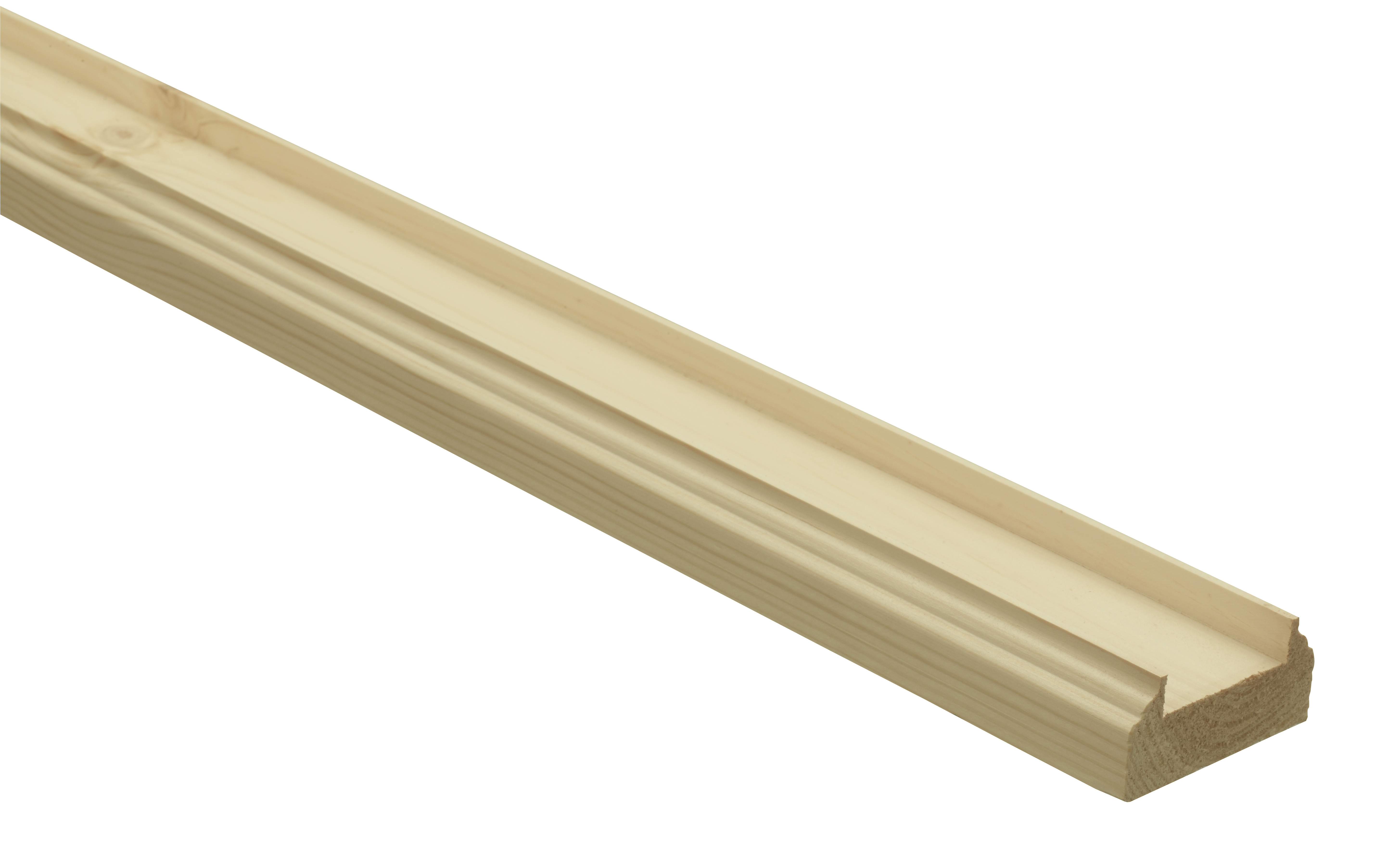
Eight spindle and baluster designs to choose from in 32mm and 41mm sizes
Eight spindle and baluster designs to choose from in 32mm and 41mm sizes
Be Inspired
Our top tips, advice and testimonials to help you get the best out of Richard Burbidge products. Discover our range and find everything from inspiration and ideas to installation and maintenance advice.


Trademark
For a beautifully traditional staircase, choose the Trademark collection, designed to celebrate timeless detailing and solid craftsmanship. This range features turned newels, handrails, baserails, spindles, and newel caps. All precision-engineered in high-quality timber for a seamless fit and enduring finish. [read_more]
From grand statement staircases to subtle period renovations, Trademark stairparts offer the versatility and authenticity needed to complement classic interiors. We have several beautiful timbers to choose from, oak, hemlock, pine and a white finish. Find the perfect style that suits your home and budget.
View All ProductsHandrails FAQs
How tall should handrails be?
Handrails should typically be installed at a height of 900mm to 1000mm (about 36 to 39 inches) from the stair tread. This is the standard height for residential properties to ensure comfort and safety.
How to clean wooden handrails?
To keep your wooden handrails looking their best, follow these simple steps:
- Dust Regularly: Use a soft, dry cloth or a microfiber duster to remove dust and debris from the handrail.
- Clean with a Mild Solution: For deeper cleaning, mix a small amount of mild dish soap with warm water. Dampen a soft cloth in the solution (do not soak it) and wipe down the handrail.
- Dry Thoroughly: After cleaning, dry the handrail with a clean, dry cloth to prevent water damage.
- Polish (Optional): For added shine and protection, you can apply wood polish or furniture wax. Ensure the polish is suitable for the type of wood you have.
Regular cleaning will help maintain the appearance of your handrails and keep them looking new.
How to install handrails on stairs?
You can install handrails on stairs by:
- Measure the Length: First, measure the length of the stairs to determine the size of the handrail you need. You’ll need to install the handrail from the bottom to the top of the stairs.
- Mark the Placement: Mark where the handrail brackets will go on the wall (we recommend fitting them every 100cm) or the newel posts. For a consistent height, the handrail should be around 900mm to 1000mm from the stair tread.
- Install the Brackets: Secure the handrail brackets to the wall or newel posts, making sure they're level and at the correct height. The number of brackets required depends on the length of the handrail.
- Attach the Handrail: Place the handrail onto the brackets, ensuring it fits snugly. Secure the handrail with screws or nails.
- Check Stability: Give the handrail a gentle shake to ensure it's securely attached and able to support weight.
This simple process will add safety and style to your stairs.
Is a handrail a legal requirement?
Yes, handrails are a legal requirement in many areas, particularly for stairs. Building codes typically mandate that handrails must be installed on stairs with a certain number of steps (usually more than three). Handrails provide essential safety by helping prevent falls and offering support when using the stairs. The specific requirements, such as height and material, can vary depending on local regulations, so always check your local building codes to ensure compliance.
What are the different types of handrails?
There are several types of handrails to choose from, depending on your style preference and the function of the stairs:
- Straight Handrails: The most common type, these run in a straight line along the staircase, either on one side or both sides.
- Curved Handrails: These are ideal for staircases with a bend or turn, offering a sleek, seamless look.
- Wall-Mounted Handrails: Fixed directly to the wall, these handrails are perfect for narrow or space-limited stairways.
- Newel Post Handrails: Attached to the newel posts at the top and bottom of the stairs, offering strong support and a classic look.
- Glass Handrails: For a modern, contemporary look, glass handrails are becoming increasingly popular, providing a clean, minimalistic design.
Each type offers a different aesthetic and level of support, so choose based on the look you're going for and the specific needs of your stairs.
What is the difference between a handrail and a stair rail?
The difference between a handrail and a stair rail is their purpose, placement, and design. While the terms are sometimes used interchangeably, they refer to distinct components in staircase design. Handrails are designed for people to hold onto for support when using the stairs, whereas Stair Rails act as a safety barrier to prevent people from falling off the side of an open staircase.
How do you attach a handrail to the wall?
To attach a handrail to the wall securely, follow these steps:
- Determine Placement: Mark the height of the handrail on the wall, typically 900mm to 1000mm above the tread. Use a level to ensure the marks are straight and consistent.
- Install Brackets: Securely install the handrail brackets at regular intervals (no more than 900mm apart) according to the measurements. Ensure each bracket is fastened into the studs or masonry for optimal stability.
- Attach the Handrail: Place the handrail onto the installed brackets and align it correctly. Use screws or bolts to secure the handrail to the brackets, ensuring a tight fit. If the handrail is long, you may need to join multiple sections.
- Finish and Test: Double-check the handrail for level and make sure all fasteners are tightened properly. Test the handrail for stability by applying light pressure.
How far should a handrail be from the wall?
A wall mounted handrail should allow enough space to get a comfortable grip. The distance from the wall to the inside face of the handrail will vary dependant on the handrail profile and bracket type. Richard Burbidge wall mounted handrail and brackets are between 35mm and 60mm from the wall face.
