
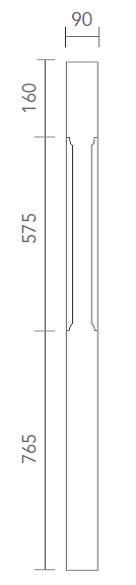
PaintReady Stop Chamfer Newel 1500mm 90
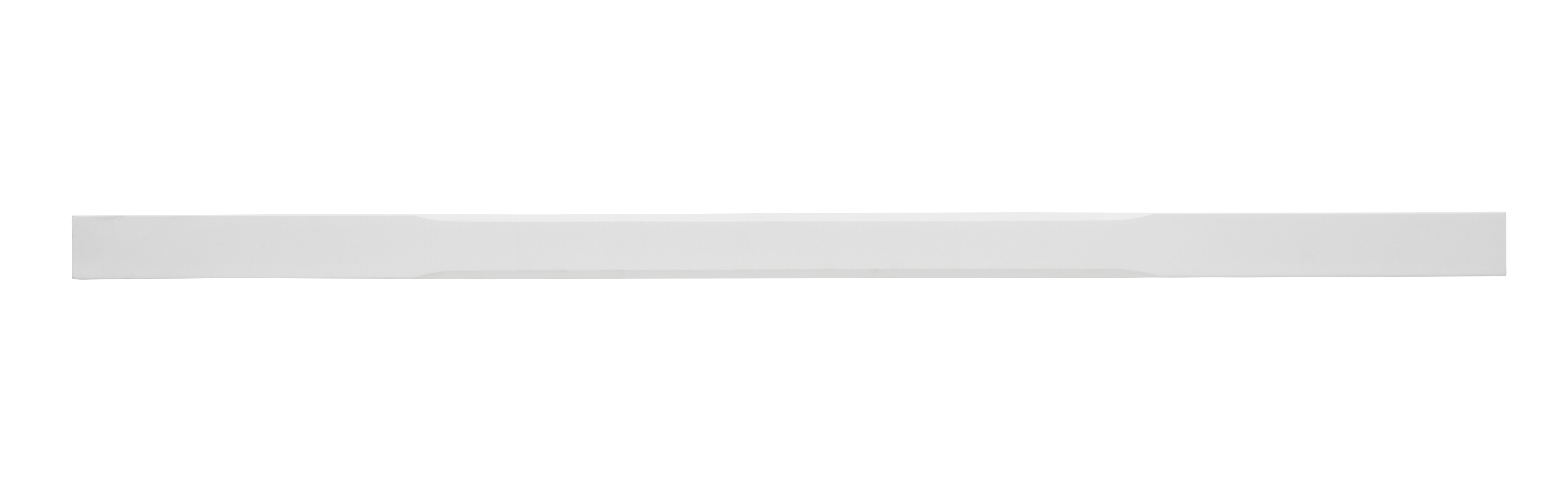
Specification
| Material | Radiata Pine |
| Finish | Water Based Primer |
| Height | 90mm |
| Length | 1500mm |
| Depth | 90mm |
| Weight | 5.750 Kg |
Get PaintReady® for a faster, smoother finish
Not sure if this is right for your home?
Speak to a designer with our free design service which can help you plan your perfect layout and check compatibility.
Free Design ServiceProduct Description
- No sanding, no filling, no priming
- A better finish in less time
- Reassurance - strength tested to Domestic Regulations
- 100% FSC, eco-friendly and sustainably manufactured
Installation & Downloads
People Also Viewed

Six different designs available, simply screw into rails
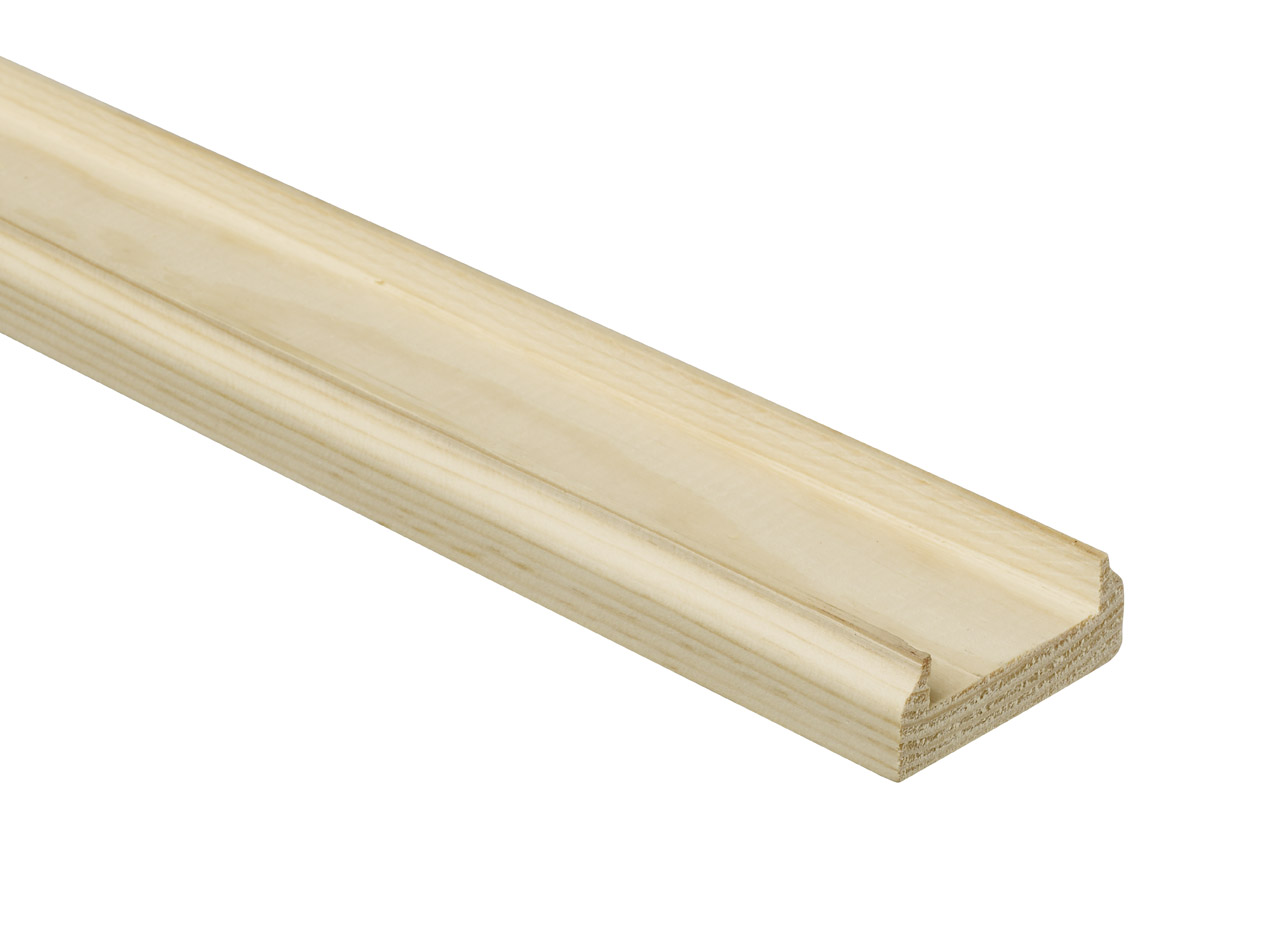
Eight spindle and baluster designs to choose from in 32mm and 41mm sizes
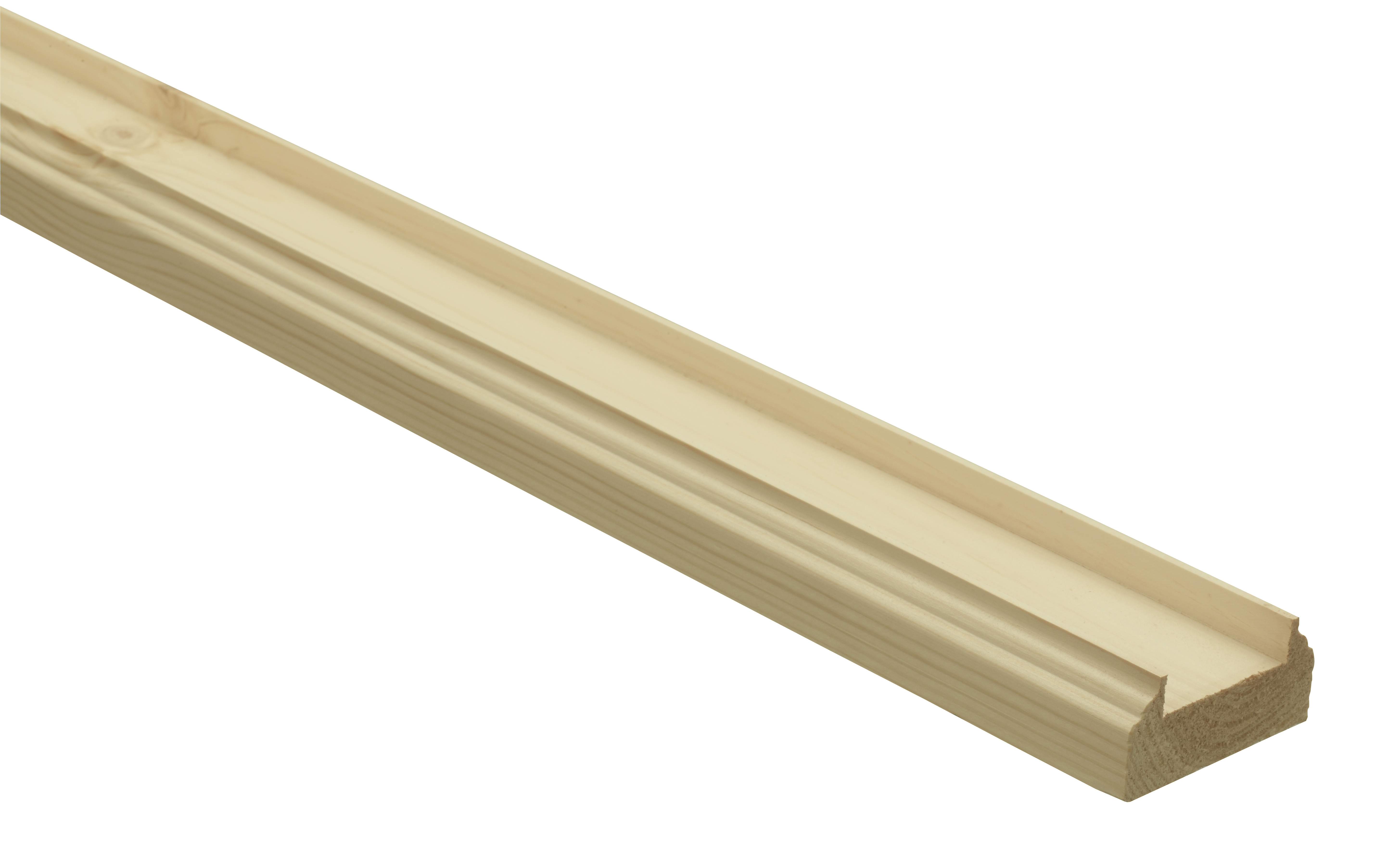
Eight spindle and baluster designs to choose from in 32mm and 41mm sizes
Eight spindle and baluster designs to choose from in 32mm and 41mm sizes
Be Inspired
Our top tips, advice and testimonials to help you get the best out of Richard Burbidge products. Discover our range and find everything from inspiration and ideas to installation and maintenance advice.


Trademark
For a beautifully traditional staircase, choose the Trademark collection, designed to celebrate timeless detailing and solid craftsmanship. This range features turned newels, handrails, baserails, spindles, and newel caps. All precision-engineered in high-quality timber for a seamless fit and enduring finish. [read_more]
From grand statement staircases to subtle period renovations, Trademark stairparts offer the versatility and authenticity needed to complement classic interiors. We have several beautiful timbers to choose from, oak, hemlock, pine and a white finish. Find the perfect style that suits your home and budget.
View All ProductsNewels FAQs
Are newel posts hollow?
Our newel posts are solid laminated sections of timber which are tested for compliance with current British standards.
How are newel posts attached?
Our complete newel posts are tested and designed to be installed traditionally, either centrally to the string of the flight and riser or half-lapped onto the landing joists/trimmer.
We also offer modular posts that can be inserted into existing posts that have been cut down to form bases. In both cases, you should refer to our fitting instructions.
How far apart should newel posts be?
The spacing between newel posts depends on the staircase design, handrail length and the system you chose, all our ranges are independently tested, and our technical team can advise on maximum centres between posts.
How many newel posts do I need?
The number of newel posts required per staircase is dependent on the design and layout. Most staircases have the following:
- 1 starting and 1 finishing newel post, positioned at the base and top of the staircase.
- 1 newel post for each landing
- 1 newel post per direction/height change, to support the transition
For very long staircases you may require additional newel posts for stability and to meet local building codes.
How tall should newel posts be?
The length of a newel post depends on their position, the staircase design and British standards. Newel posts should be a minimum of 100/150mm above the top of the handrail for aesthetic balance. Current UK building regulations for domestic properties are 900mm stairs and 900mm landing handrail height. Newel posts overall length can vary from 1200mm to several meters depending on the configuration.
If you have a non-domestic project, please contact our technical team for support.
Should newel posts be painted or stained?
The decision to paint or stain newel posts depends on the aesthetic you are looking to achieve, the newel post material and the overall style of your staircase. Painting your newel posts can provide a modern look in a wide variety of colours, whereas staining newel posts can enhance the posts' natural beauty by highlighting the natural wood grain and texture.
Some homeowners even decide to have a combination of both, where they stain newel posts but paint their balusters or handrails for a contrasting design look.
What are newel posts?
Newel posts are vertical components in a staircase that support the handrail and balustrade system. They are typically positioned at the bottom, and top and when a change in height/direction on the staircase or landing occurs.
