
Apex Porch Canopy 1600
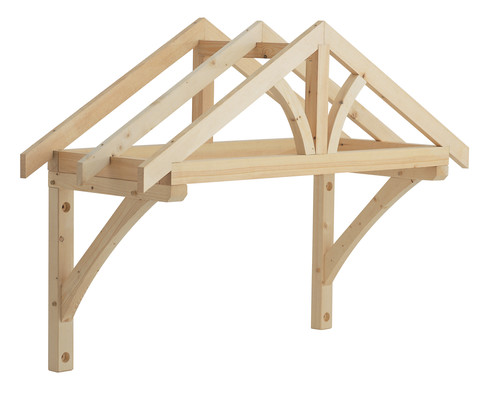
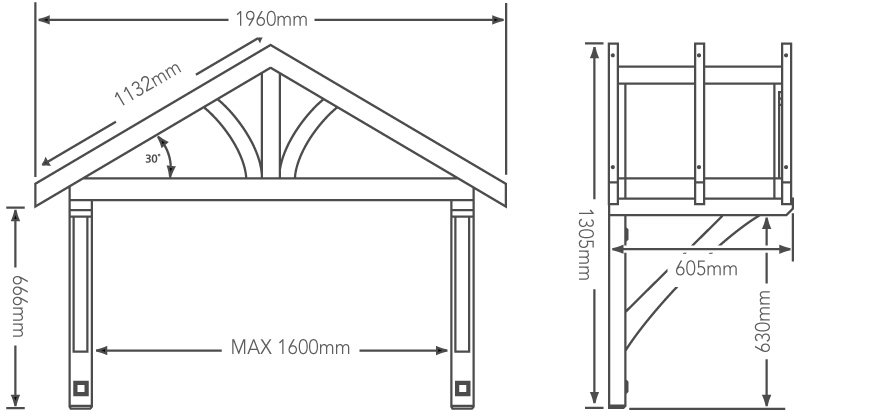
Specification
| Material | Pine |
| Finish | Unfinished |
| Height | 200mm |
| Length | 1550mm |
| Depth | 150mm |
| Weight | 20.925 Kg |
| Product Type | Porch |
| Unit of Measure | Each |
| Pack Quantity | 1 |
Designed for easy construction
Not sure if this is right for your home?
Speak to a designer with our free design service which can help you plan your perfect layout and check compatibility.
Free Design ServiceProduct Description
- Built to withstand Great British weather
- Experts are on hand to help you with any aspect of planning, fitting and maintenance
People Also Viewed
Be Inspired
Our top tips, advice and testimonials to help you get the best out of Richard Burbidge products. Discover our range and find everything from inspiration and ideas to installation and maintenance advice.


Porches
Our porch collection offers thoughtfully designed canopy and accessory kits that combine style and practicality. Each kit features pre-drilled components for straightforward installation, allowing you to effortlessly improve your home’s façade with durable, attractive timber solutions.
View All ProductsPorches FAQs
Does a porch need planning permission?
In most cases, you won’t need planning permission to build a porch. As long as the ground area is under 3 square metres, it’s no taller than 3 metres, and it’s not within 2 metres of a boundary or road, you should be fine under permitted development. However, it’s always best to check with the local council, especially if the area is a conservation or listed building.
How to build a wood porch canopy?
Building a wooden porch canopy is a great way to give your entrance a timeless, crafted look. Start by measuring your doorway and deciding on the size and style of your canopy. Next, fix timber gallows brackets to the wall, supporting the canopy frame. Cut and assemble the timber rafters and crossbeam to create the canopy structure, then attach it securely to the brackets. Add your roofing material: tiles, slats or felt. Finish the process by sealing the joints and treating the wood with a weatherproof stain or paint. Finally, check the structure is level and all fixings are secure to ensure your porch canopy is complete and long-lasting.
How to install gallows brackets?
Installing gallows brackets is a simple way to support a porch canopy.. Mark the bracket positions on the wall and drill pilot holes. Use suitable wall plugs or fixings depending on your wall type (brick, block or timber). Once fixed, check they’re level before mounting the structure above. Always ensure the fixings are heavy-duty enough to carry the load.
What is the purpose of a porch?
A porch adds both function and style to your home. It offers shelter from the weather, a space to remove muddy boots, and it can enhance the overall appearance of your property. It’s a practical buffer between indoors and outdoors. Plus, it gives your entrance a more welcoming feel.
Do porches add value to a house?
Yes, a well-designed porch can add value to your home. It boosts kerb appeal and helps keep your interior warmer by reducing draughts. While it might not add significant value to your property, it can make a strong first impression with potential buyers.
